
European Tank Terminals: Structural Realignment and the Case for Strategic Repositioning
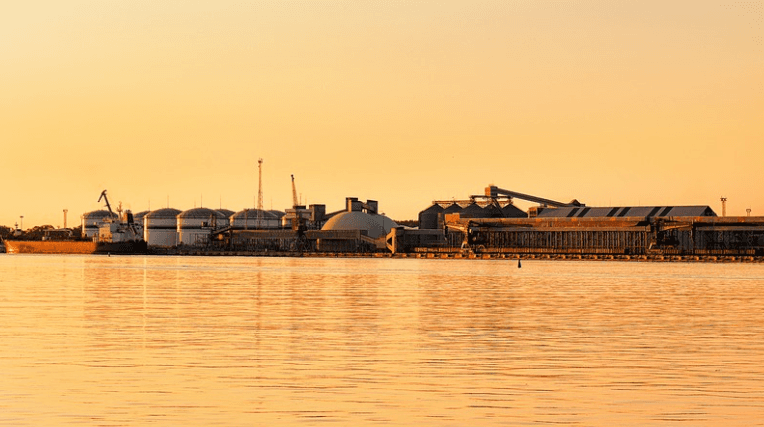
Fuel throughput is falling, renewable liquids are rising and chemical closures are redrawing demand cluster by cluster. The question is no longer whether terminals stay relevant, but which assets can adapt fast enough to stay advantaged.
WHY IT MATTERS NOW
Terminals are becoming the front line of Europe's import dependence
As Europe's refining and petrochemical base contracts, tank terminals are taking on a bigger role: securing access to imported fuels, chemicals and feedstocks, and supporting the storage, blending and bunkering of renewable fuels for shipping and aviation.
Fuels: decline and displacement
Electrification is eroding diesel/gasoil demand, and Western Europe gasoline demand is expected to peak by 2030. Jet fuel bucks the trend, with SAF growth set to more than offset falling refinery supply from the mid-2030s.
Renewable liquids: new storage requirements
RED Annex IX double counting is pulling UCO, tallow and residues into FAME and hydrotreated biofuels. That creates demand for segregated storage, blending and certification-controlled logistics, and a case for retrofitting tanks.
Chemicals: diversification, with caveats
A wave of EU petrochemical closures, some not effective until 2028, means storage demand will be cluster-specific. In some clusters trade shrinks across the value chain; in others, local feedstock import demand rises.
2025 seaborne liquid bulk throughput, major European ports (million tons)
Rotterdam 197 · Antwerp-Bruges 73 · Marseille-Fos 48 · Trieste 43 · Le Havre-Rouen 40 · Gdansk 40 · Amsterdam 37 · Wilhelmshaven 24 · Tarragona 19 · North Sea Port 15
Fuels account for more than 80% of products transported through these ports; chemicals and agrifood for under 20%. Source: FGE NexantECA, Figure One of the full thought piece.
THE QUESTIONS ON OPERATORS' AGENDAS
Where should terminal owners focus?
Location is the differentiator. Deep-water sites on key shipping routes are better placed for renewable bunker fuels, while sites with pipeline access to airports could become SAF-blending hubs.
Which assets are most exposed to declining gasoline and diesel/gasoil flows, and what is the credible alternative use case?
Where can existing capacity be retrofitted for renewable fuels?
What customer risk does chemicals storage carry, given closure risk across Europe?
Which long-term partnerships with renewable fuel producers and consumers are critical to success?
INSIDE THE FULL THOUGHT PIECE
Six exhibits on the forces reshaping European storage demand
The full paper covers fuel demand and trade balance forecasts, the biofuel feedstock and policy landscape, and the trade impact of EU petrochemical closures, with our view on what each means for terminal strategy.
Figure One: Major European ports for liquid bulk and products transported
Figure Two: Western Europe fuel demand forecasts
Figure Three: Western Europe fuel trade balance
Figure Four: Biodiesel and SAF feedstocks and applications
Figure Five: Petrochemical plant closures in the EU since 2023
Figure Six: Extra-EU imports and exports of chemicals, 2015–2025
EXPLORE THE IMPLICATIONS FOR YOUR ASSETS
Discuss your terminal portfolio with our team
Whether you are weighing a retrofit, testing exposure to chemical closures or looking for renewable fuel partners, our consultants can help you assess which assets stay advantaged and what the credible alternative use case looks like.
[Download the full thought piece]
Speak with the authors
Game Achakulwisut, Consultant: g.achakulwisut@fgenexanteca.com
Jane Smith, Principal: j.smith@fgenexanteca.com