
Sulphur: A Market Under Strain
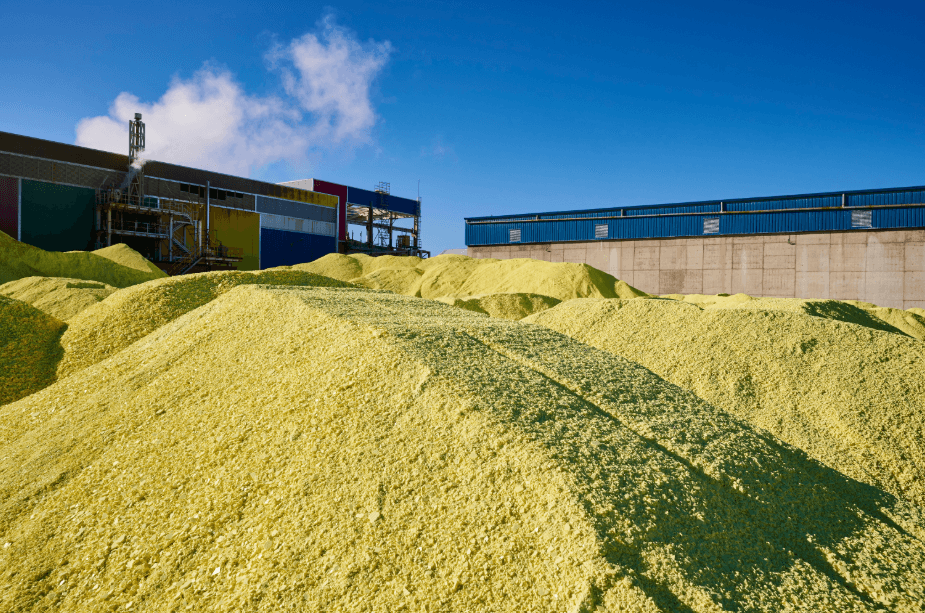
Sulphur rarely makes headlines, but 2026 has been the exception. Both sulphur and sulphuric acid have reached record prices this year, driven by a combination of geopolitical disruption and structural supply constraints.
A chokepoint problem. Around 50 percent of global sulphur supply transits the Strait of Hormuz. The late February attacks disrupted shipments, damaged production infrastructure, and created a vessel backlog that will take months to clear. Even as shipping gradually resumes, much of the sulphur leaving the region has already been committed under long-term contracts, leaving spot buyers with limited supply.
A structural supply problem. Sulphur is produced primarily as a byproduct of processing sour crude and natural gas, meaning supply cannot easily increase in response to higher prices. The Hormuz disruption has reduced sour crude throughput at key Asian refineries, lowering sulphur recovery. This comes on top of an already tightening market following refinery closures and biofuel conversions, particularly in the US, which have steadily reduced oil-derived sulphur supply.
China's export restrictions intensified the shortage. China initially restricted sulphuric acid exports to prioritize domestic fertilizer production before extending the measures into a near-complete export halt for the remainder of the year as sulphur feedstock availability tightened. With limited ability to replace burner acid with smelter acid, global buyers have been forced to compete for increasingly scarce spot volumes.
Why it matters downstream. Sulphuric acid underpins around 60 percent of global fertilizer production and is also essential for copper, nickel and zinc processing, water treatment, and battery materials. As sulphur and acid prices continue to climb, the effects are spreading well beyond the sulphur market, increasing costs across fertilizers, metals, and EV supply chains. With supply unlikely to rebalance quickly, feedstock security is becoming just as important as price.
Main Industry End-uses of Sulphur

Chinese Domestic Sulphur Prices US$ per ton
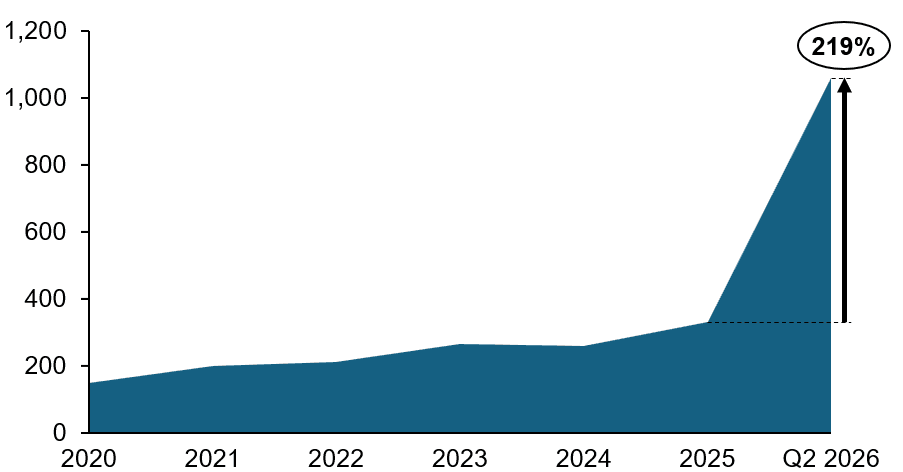
China's own price trend tells the story. China's sulphur prices averaged around US$150 to US$200 per ton in 2020 to 2021, rose to the low US$200s to US$260s through 2022 to 2024, and averaged more than US$330 per ton in 2025. By May 2026, prices had surged to approximately US$1 060 per ton, nearly seven times higher than 2020 levels. Most of the increase occurred over the past twelve months, as Hormuz-related disruptions and China's export restrictions collided with an already tight global market.
Closing thoughts. The sulphur and sulphuric acid rally is a reminder that even overlooked commodities can become strategically important when supply is constrained and concentrated. For producers and consumers across fertilizers, mining, and battery materials, the priority is shifting from simply managing costs to securing reliable feedstock. With structural supply tightness unresolved and geopolitical risks still weighing on the market, prices are likely to remain elevated and volatile. We will continue to monitor developments and assess their implications across the industries and value chains we cover.
For more information contact our C1 and Fertilizers Experts in FGE NexantECA.
Quarterly Business Analysis: Global - Petrochemicals, Polymers, C1 Chemicals and Fertilizers - Q1 2026 Analysis of the profitability of the petrochemical and polymers industry in Asia Pacific, Western Europe, United States and the Middle East for the first quarter of 2026..
Market Analytics: Urea - 2026
This report provides analysis and forecasts to 2050 of supply and demand of the global urea industry. This analysis identifies the issues shaping the industry as well as provide demand, supply and net trade data for 40 countries/regions. Urea demand is segmented by key end-use including direct application fertilizer, biofuels, DEF/Adblue, industrial applications and for 'other fertilizers
Author...
Andrew Goh, Consultant
About Us - FGE NexantECA is the leading advisor to the energy, refining, and chemical industries. Our clientele ranges from major oil and chemical companies, governments, investors, and financial institutions to regulators, development agencies, and law firms. Using a combination of business and technical expertise, with deep and broad understanding of markets, technologies, and economics, FGE NexantECA provides solutions that our clients have relied upon for over 50 years.
Contact a member of our team to see how we can support your operational, investment, or trading decisions